Buy 5-Amino-1MQ — The Selective NNMT Inhibitor for Metabolic and Cellular Energy Research
5-Amino-1MQ (5-amino-1-methylquinolinium) is a membrane-permeable, selective small-molecule inhibitor of nicotinamide N-methyltransferase (NNMT). Researchers study it extensively for its ability to preserve S-adenosylmethionine (SAM), elevate cellular NAD⁺, and shift adipose tissue toward fat oxidation. Consequently, it has become a benchmark compound in metabolic and cellular-energy research.
What Is 5-Amino-1MQ?
5-Amino-1MQ is a synthetic methylquinolinium salt developed through medicinal chemistry optimization of NNMT-inhibitor scaffolds at the University of Texas Health Science Center starting around 2017. Unlike peptide-based research compounds, it is a cell-permeable small molecule with a molecular weight of 286.11 g/mol and a CAS number of 42464-96-0. Moreover, it ships as a distinctive reddish-orange lyophilized powder, which distinguishes it visually from most research peptides.
How Does 5-Amino-1MQ Work?
5-Amino-1MQ modulates cellular metabolism through several interconnected mechanisms that center on NNMT inhibition and the SAM/NAD⁺ axis.
NNMT Inhibition and SAM Preservation
NNMT is a cytoplasmic enzyme that transfers a methyl group from SAM onto nicotinamide, producing 1-methylnicotinamide and S-adenosylhomocysteine (SAH). When NNMT is highly active, it depletes SAM, which reduces the cell’s methylation capacity. 5-Amino-1MQ selectively binds the nicotinamide site of NNMT with an IC₅₀ of approximately 1 µM and inhibits this reaction. As a result, SAM levels are preserved, and the cellular methylation balance shifts back toward anabolic metabolism.
NAD⁺ Elevation and SIRT1 Activation
By blocking NNMT, 5-Amino-1MQ prevents the consumption of nicotinamide, which increases the substrate pool available for the NAD⁺ salvage pathway. This leads to elevated intracellular NAD⁺ levels, which in turn activate sirtuins, particularly SIRT1. Furthermore, SIRT1 activation promotes mitochondrial biogenesis, enhances fat oxidation, and improves insulin sensitivity.
Adipose Tissue Metabolic Shift
In adipose tissue, NNMT sits at the crossroads of cellular metabolism and epigenetic regulation. Its activity directly affects the methyl economy that governs gene expression and energy metabolism in fat cells. By inhibiting NNMT, 5-Amino-1MQ shifts adipocyte metabolism toward increased energy expenditure rather than directly stimulating thermogenesis.
Key Research Applications
Researchers study 5-Amino-1MQ across a broad range of preclinical metabolic models.
-
Diet-induced obesity (DIO) and body composition investigations
-
Glucose tolerance and insulin sensitivity research
-
Adipose tissue metabolism and fat oxidation studies
-
NAD⁺ salvage pathway and sirtuin activation research
-
Fatty liver pathology and circulating biomarker investigations
-
Cellular methylation and epigenetic regulation models
The pivotal 2018 animal study demonstrated that 5-Amino-1MQ reversed obesity in diet-induced obese mice at 20 mg/kg over 11 days without changes in food intake. Additionally, a 2024 study confirmed that 5A1MQ treatment dose-dependently limited body weight and fat mass gains, improved oral glucose tolerance and insulin sensitivity, and suppressed hyperinsulinaemia in DIO mice.
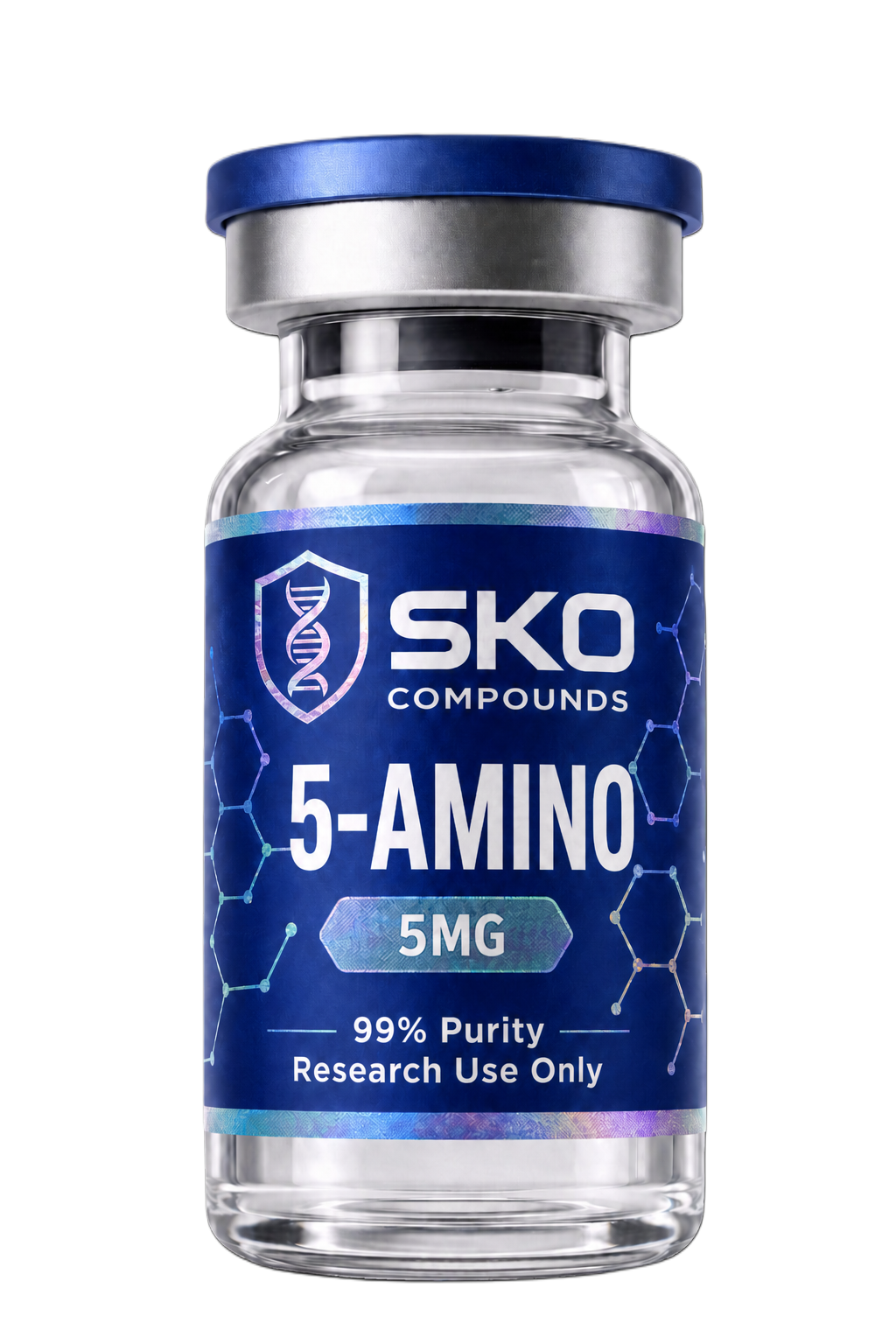
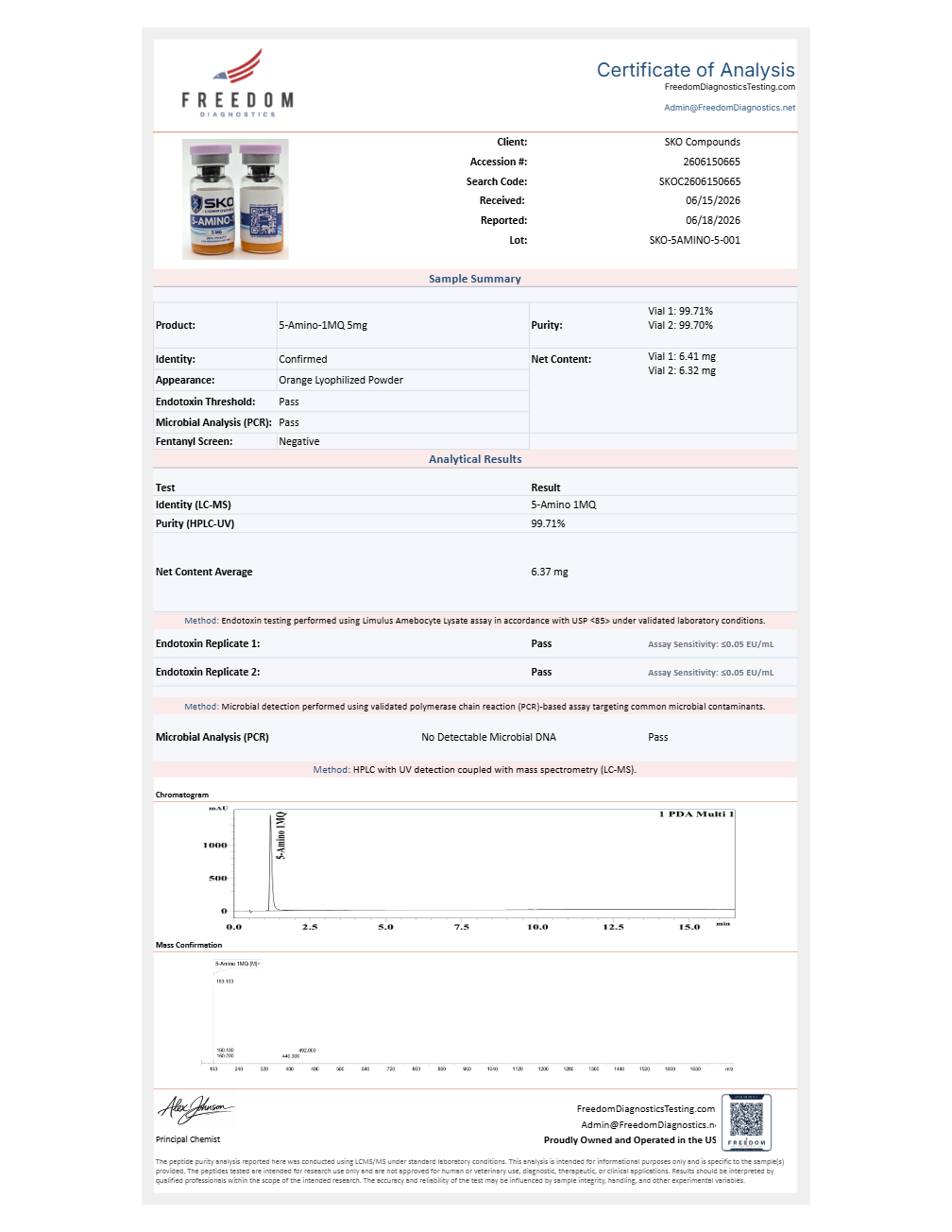
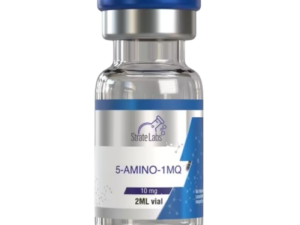
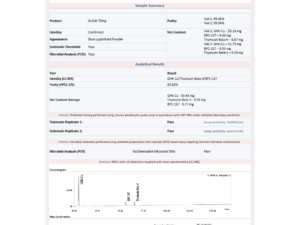
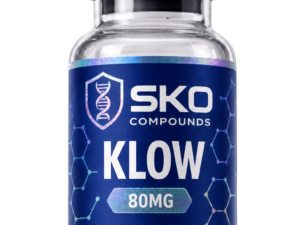
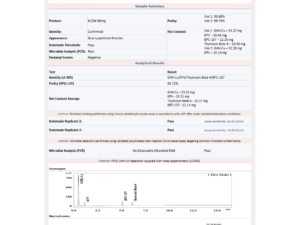
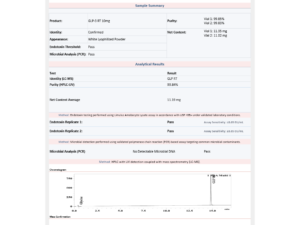
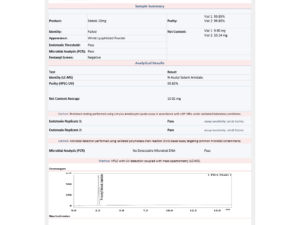
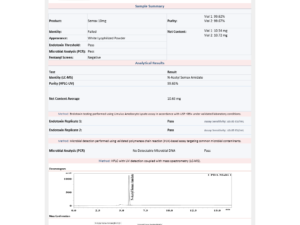
When you Buy 5-Amino-1MQ from our catalog, you receive a high-purity lyophilized research compound available in 50mg vial configurations. We test every batch independently to ≥99% purity by HPLC, and we confirm identity through third-party mass spectrometry against the theoretical mass of 286.11 g/mol. In addition, each batch undergoes LAL endotoxin testing, heavy metals screening, and microbial limit testing. We include batch-specific Certificates of Analysis for full research transparency.
Frequently Asked Questions
What is 5-Amino-1MQ used for in research?
Researchers use 5-Amino-1MQ in laboratory studies of obesity, glucose tolerance, insulin sensitivity, adipose tissue metabolism, and NAD⁺-dependent signaling. However, it is not FDA-approved for any indication.
How should I store 5-Amino-1MQ?
Store the lyophilized vial at −20°C in a desiccated environment and protect it from light. After reconstitution, refrigerate the solution at 2–8°C and avoid repeated freeze-thaw cycles.
What purity should I expect?
We test every batch to ≥99% purity by HPLC. We ship a batch-specific Certificate of Analysis with each order, and it covers HPLC purity, mass spectrometry identity, endotoxin levels, and heavy metals screening.
Is 5-Amino-1MQ a peptide?
No. 5-Amino-1MQ is a methylquinolinium small molecule, not a peptide. It shares the metabolic research category with peptides such as MOTS-c and Tesamorelin, but its chemical structure and mechanism are entirely distinct.
What is the difference between 5-Amino-1MQ and NAD⁺ precursors?
NAD⁺ precursors such as NMN and NR directly supply substrate for NAD⁺ synthesis. 5-Amino-1MQ works indirectly by inhibiting NNMT, which spares nicotinamide for the salvage pathway and preserves SAM. Therefore, the two approaches target different points in the same metabolic network.
Important Research Disclaimer
This product is intended strictly for laboratory research use only. It is not for human or veterinary use, and not for diagnostic or therapeutic applications. As of 2026, 5-Amino-1MQ remains an unapproved investigational compound with no completed human trials. The entire evidence base consists of animal studies and in vitro work, and preclinical findings in mice frequently do not replicate in humans. Therefore, no one outside an institutional research setting should handle or use 5-Amino-1MQ. Qualified researchers should handle all compounds in accordance with institutional safety guidelines and applicable regulations.
Buy 5-Amino-1MQ today and join laboratories worldwide that rely on verified purity, batch-level transparency, and U.S.-made quality.




Reviews
There are no reviews yet.