
Semax
$50.00
Semax is a synthetic heptapeptide (Met-Glu-His-Phe-Pro-Gly-Pro) derived from the ACTH(4-10) fragment, stabilized with a C-terminal Pro-Gly-Pro sequence. Developed in Russia, it is researched for nootropic and neuroprotective effects, including cognitive function, focus, memory, and neuroprotection. Mechanisms under study include BDNF upregulation, neurotransmitter modulation (dopamine, serotonin), and anti-inflammatory activity. Russian clinical use includes ischemic stroke and cognitive disorders; not FDA-approved in the U.S.
Buy Semax — The ACTH-Derived Heptapeptide for Cognitive, Neuroprotective, and Neurotrophic Research
Semax (Met-Glu-His-Phe-Pro-Gly-Pro) is a synthetic heptapeptide analog of the ACTH(4-7) fragment, extended with a C-terminal Pro-Gly-Pro sequence for enzymatic stability. Researchers study it extensively for its nootropic and neuroprotective properties, making it a benchmark compound in cognitive and neurotrophic research. Consequently, it has become one of the most investigated peptides in the neuroscience research category.
What Is Semax?
Semax is a synthetic seven-amino-acid peptide with the sequence Met-Glu-His-Phe-Pro-Gly-Pro. Scientists originally developed Semax in the 1980s at the Institute of Molecular Genetics in Moscow, led by Igor Ashmarin, and they designed it to retain the cognitive-modulating properties of ACTH fragments without the steroidal and adrenal effects of full-length ACTH. Moreover, Russia registered Semax in 1994 for cerebrovascular indications, including ischemic stroke, encephalopathy, and optic nerve atrophy.
The parent ACTH(4-7) fragment undergoes rapid cleavage in biological tissues, but the Pro-Gly-Pro extension extends its half-life sufficiently for nasal administration to achieve CNS activity. Therefore, this structural modification makes Semax viable as a research compound.
How Does Semax Work?
Semax modulates brain function through several interconnected mechanisms that center on neurotrophic factor upregulation and neurotransmitter regulation.
BDNF and NGF Upregulation
Semax significantly elevates brain-derived neurotrophic factor (BDNF) and nerve growth factor (NGF) expression in the hippocampus and frontal cortex. BDNF plays a vital role in neuron development, synaptic plasticity, and cognitive functionality. As a result, Semax initiates new neuron formation by increasing BDNF expression mainly in the hippocampus, which holds a crucial position in learning and memory functions. Furthermore, studies show that Semax administration at 50 μg/kg produces a maximal 1.4-fold increase in BDNF protein levels, accompanied by a 1.6-fold increase in trkB tyrosine phosphorylation.
Neurotransmitter Regulation
Semax activates dopaminergic and serotoninergic brain systems, which researchers have linked to improved attention, mood stability, and cognitive performance. Higher dopamine levels strengthen motivation and improve attention span, while increased serotonin levels maintain mood stability and decrease stress responses. Consequently, Semax serves as a dual modulator of both cognitive functions and emotional states.
Neuroprotection and Antioxidant Activity
Semax functions as an effective neuroprotectant by decreasing oxidative damage and brain inflammation. The peptide eliminates harmful free radicals that damage neurons through its antioxidant function. Additionally, Semax shows cytoprotective properties against copper-catalyzed oxidation of the Aβ peptide, and it extracts Cu(II) from Cu(II)-Aβ species to decrease associated ROS production. Therefore, these mechanisms give Semax a distinct neuroprotective research profile.
Cerebral Blood Flow Enhancement
Semax enhances cerebral circulation, which delivers essential oxygen and nutrients to brain cells. Enhanced blood circulation allows the brain to expel metabolic waste products more efficiently. Furthermore, Semax strengthens vascular health to shield against ischemic injury and promote stroke recovery.
Key Research Applications
Researchers study Semax across a broad range of preclinical and clinical neurological models.
-
Cognitive function and memory research (BDNF/trkB pathway investigations)
-
Ischemic stroke recovery and neuroprotection studies
-
Alzheimer’s disease models (amyloid plaque reduction, cognitive improvement)
-
Neuroinflammation and oxidative stress research
-
Attention deficit and cognitive disorder investigations
-
Neurotrophin gene expression and synaptic plasticity studies
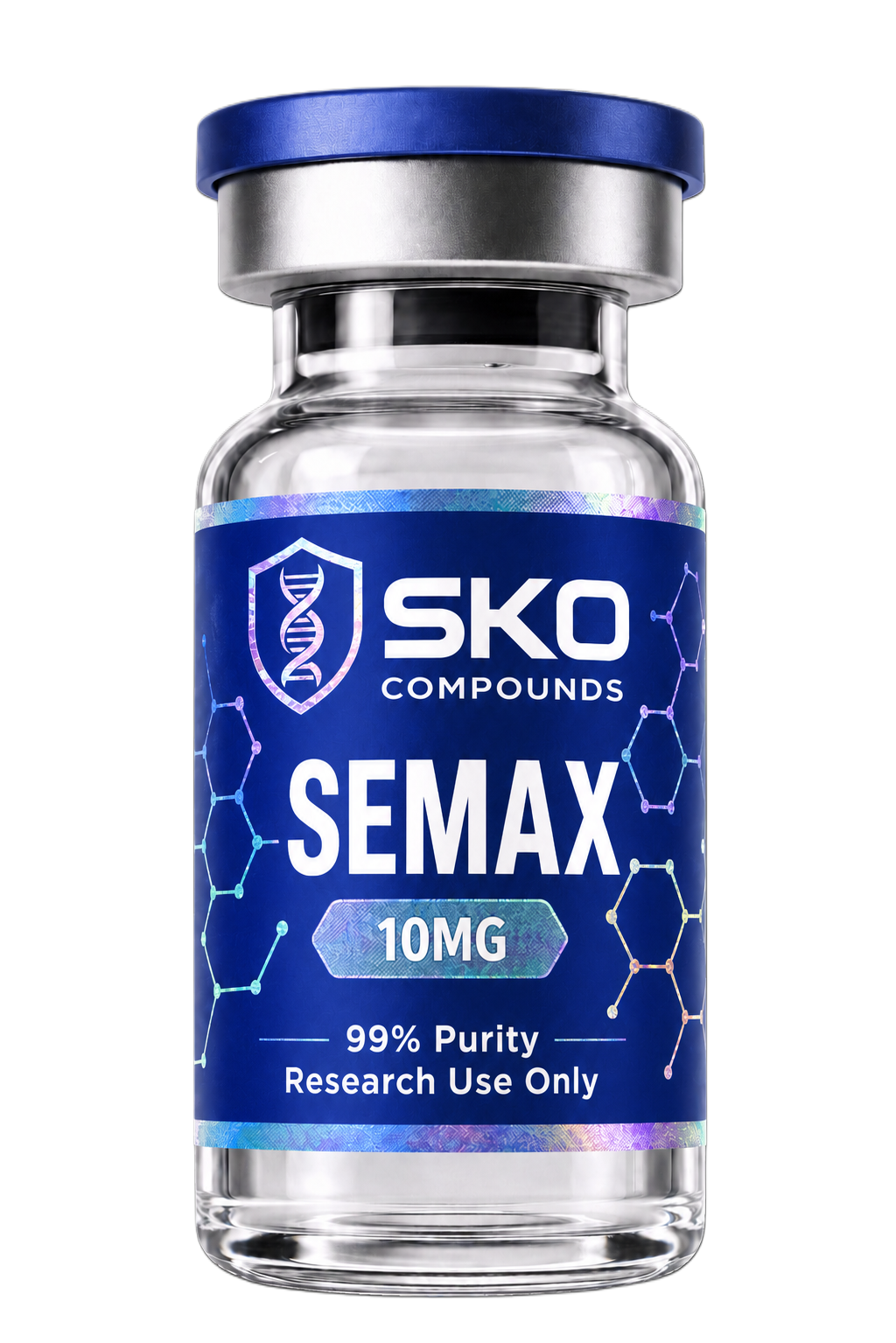
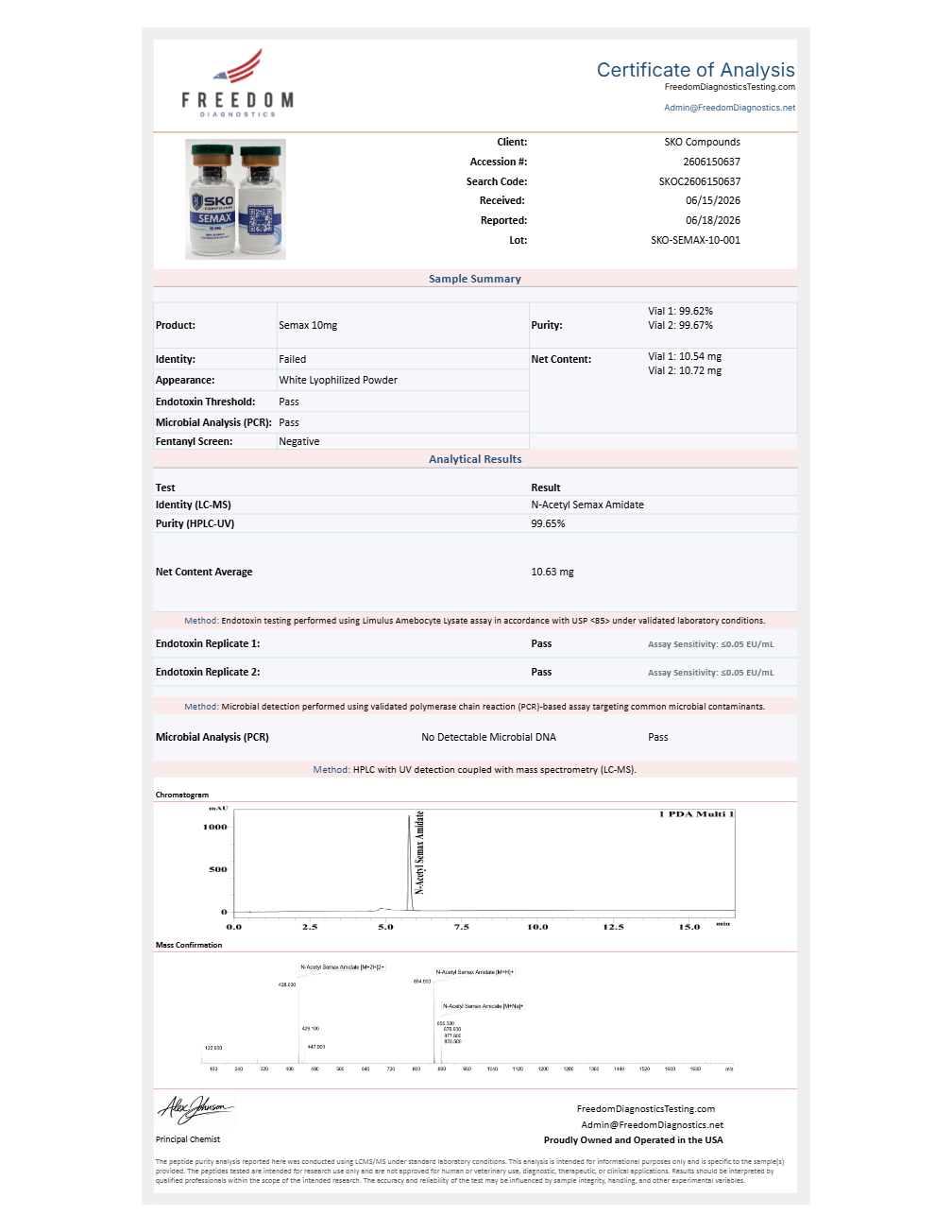
When you Buy Semax from our catalog, you receive a high-purity lyophilized research peptide available in 10mg and 20mg vial configurations. We test every batch independently to ≥99% purity by HPLC, and we confirm identity through third-party mass spectrometry against the theoretical mass of 813.92 g/mol. In addition, each batch undergoes LAL endotoxin testing, heavy metals screening, and microbial limit testing. We include batch-specific Certificates of Analysis for full research transparency.
| Parameter | Specification |
|---|---|
| CAS Number | 80714-61-0 |
| Molecular Formula | C₃₇H₅₁N₉O₁₀S |
| Molecular Weight | 813.92 g/mol |
| Sequence | Met-Glu-His-Phe-Pro-Gly-Pro |
| Purity | ≥99% (HPLC) |
| Appearance | White to off-white lyophilized powder |
| Storage | −20°C, desiccated, protected from light |
| Solubility | Soluble in sterile water |
| Plasma Half-Life | ~2–8 minutes (rapid enzymatic degradation) |
Frequently Asked Questions
What is Semax used for in research?
Researchers use Semax in laboratory studies of cognitive function, BDNF/NGF upregulation, neuroprotection, ischemic stroke recovery, and neuroinflammation. However, it is not FDA-approved for human or veterinary use in the United States.
How should I store Semax?
Store the lyophilized vial at −20°C in a desiccated environment and protect it from light. After reconstitution, refrigerate the solution at 2–8°C and avoid repeated freeze-thaw cycles.
What purity should I expect?
We test every batch to ≥99% purity by HPLC. We ship a batch-specific Certificate of Analysis with each order, and it covers HPLC purity, mass spectrometry identity, endotoxin levels, and heavy metals screening.
What is the difference between Semax and Selank?
Semax derives from ACTH(4-7) and primarily upregulates BDNF and NGF for cognitive and neuroprotective research. Selank derives from tuftsin and primarily modulates GABAergic signaling and anxiety-related pathways. Whereas Semax targets neurotrophic factors, Selank targets anxiolytic mechanisms.
Does Semax cross the blood-brain barrier?
Intranasal administration is the preferred route for research because it circumvents first-pass metabolism and facilitates direct nose-to-brain transport. The therapeutic effects persist for 20–24 hours despite a plasma half-life of only 2–8 minutes, which suggests downstream signaling cascades sustain the biological activity.
Important Research Disclaimer
This product is intended strictly for laboratory research use only. It is not for human or veterinary use, and not for diagnostic or therapeutic applications. As of 2026, Semax remains an unapproved investigational peptide in the United States, though it is registered in Russia for cerebrovascular indications. The most rigorous published human study enrolled 110 post-stroke patients, but the trial was neither randomized nor placebo-controlled, and it was conducted by a single Russian research group. Therefore, no one outside an institutional research setting should handle or use Semax. Qualified researchers should handle all peptides in accordance with institutional safety guidelines and applicable regulations.
Ready to Advance Your Neurotrophic Research?
Buy Semax today and join laboratories worldwide that rely on verified purity, batch-level transparency, and U.S.-made quality.
| Choose mg |
10mg |
|---|
Related products
BPC-157
$50.00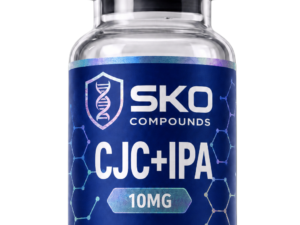
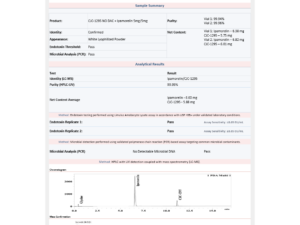
CJC 1295 no dac + Ipamorelin
$79.00

GHK-Cu
Price range: $35.00 through $55.00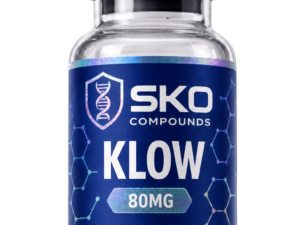
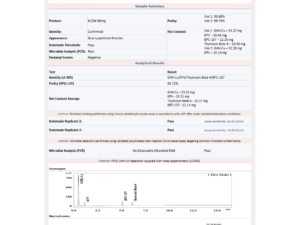
KLOW
$130.00
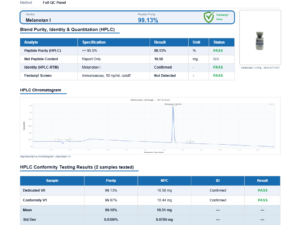
MT-1
$40.00
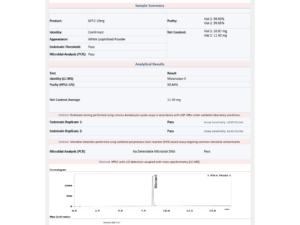
MT-2
$40.00
Selank
$50.00

Reviews
There are no reviews yet.