
BPC-157
$50.00
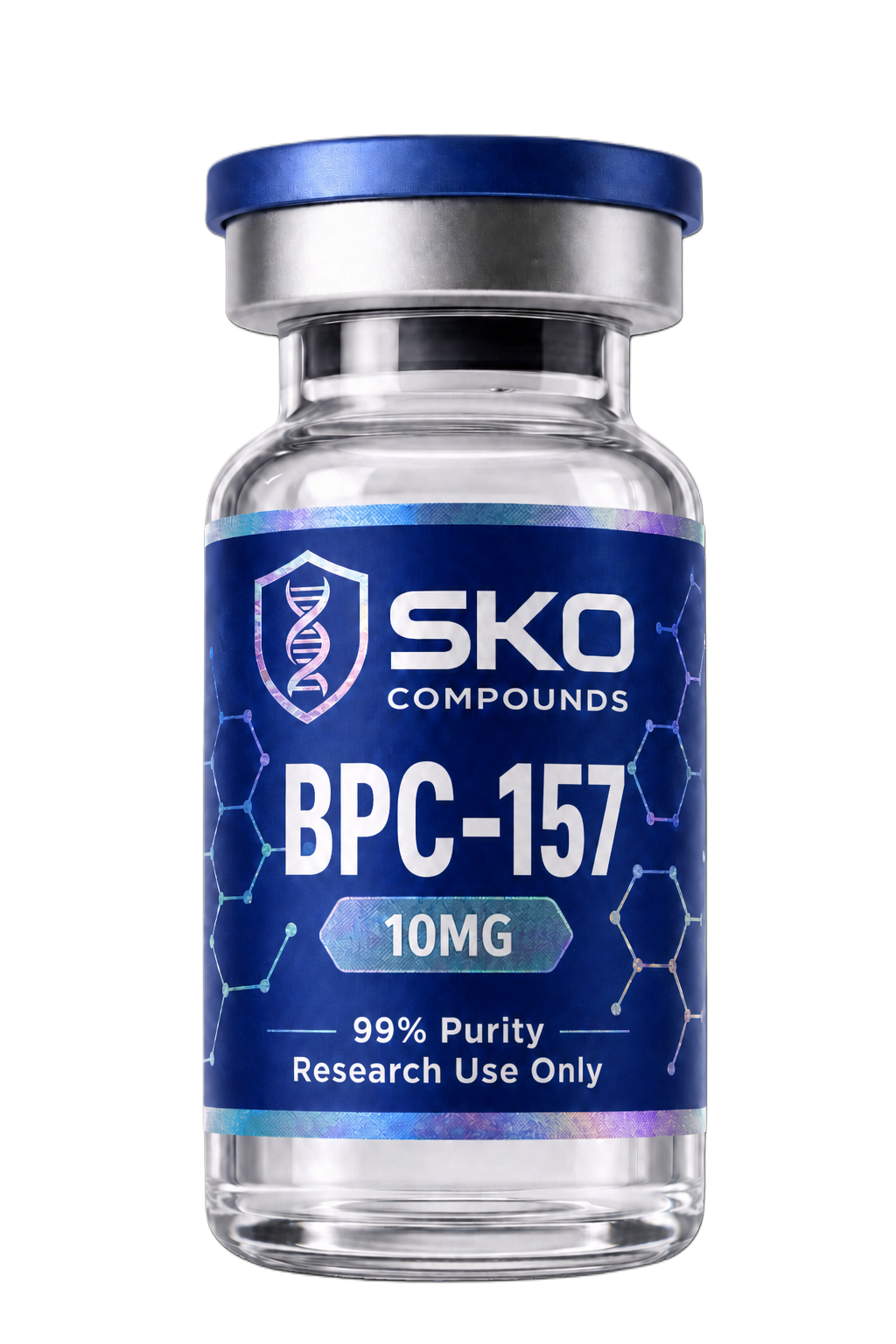
BPC-157 is a synthetic 15-amino-acid peptide derived from human gastric juice, studied preclinically for tissue repair, tendon and ligament healing, GI protection, angiogenesis, and inflammation modulation. research-use only.
Buy BPC-157 — The Stable Gastric Pentadecapeptide for Advanced Tissue Repair Research
BPC-157 (Body Protection Compound 157) is a synthetic 15-amino acid pentadecapeptide that derives from a partial sequence of human gastric juice protein. Researchers study it extensively for its regenerative and cytoprotective properties across tendon, ligament, muscle, bone, and gastrointestinal tissue models. Moreover, this research-grade lyophilized powder delivers the purity and batch-level transparency that laboratories require for reproducible experimental results.
What Is BPC-157?
BPC-157 is a stable gastric pentadecapeptide with the sequence Gly-Glu-Pro-Pro-Pro-Gly-Lys-Pro-Ala-Asp-Asp-Ala-Gly-Leu-Val. It was originally isolated from human gastric juice, and it has since become one of the most widely investigated peptides in regenerative research. Unlike many research peptides that act as direct receptor ligands, BPC-157 functions as a signaling modulator. Consequently, it interacts with multiple interconnected molecular pathways rather than a single target.
The peptide’s short half-life of less than 30 minutes in vivo does not limit its research utility. In fact, studies show that BPC-157 acts as a biological signal initiator, triggering cascading cellular processes that continue well beyond the peptide’s own clearance from circulation.
How Does BPC-157 Work?
Researchers have characterized several core mechanisms through which BPC-157 exerts its regenerative effects.
VEGFR2-Akt-eNOS Pathway
The most extensively characterized mechanism of BPC-157 is activation of the vascular endothelial growth factor receptor 2 (VEGFR2) pathway. This activation leads to downstream phosphorylation of Akt and endothelial nitric oxide synthase (eNOS), which promotes angiogenesis through enhanced endothelial cell proliferation, migration, and vascular tube formation. Additionally, BPC-157 disrupts the Src-Caveolin-1-eNOS inhibitory complex in aortic tissue, directly promoting nitric oxide production and sustained vasodilation at injury sites.
FAK-Paxillin Pathway and Cell Migration
BPC-157 significantly increases phosphorylation of focal adhesion kinase (FAK) and its downstream effector paxillin in tendon fibroblasts in a dose-dependent manner. Activated FAK combines with Src to induce paxillin phosphorylation, which in turn activates downstream effectors CRK and CAS that are critical for cell motility. As a result, this pathway activation explains the consistent finding of enhanced fibroblast outgrowth and migration toward injury sites across multiple wound models.
Growth Hormone Receptor Upregulation
BPC-157 upregulates growth hormone receptor expression in tendon fibroblasts, sensitizing tissues to endogenous growth hormone signaling and amplifying the anabolic response to injury. Notably, this mechanism distinguishes BPC-157 from direct growth hormone secretagogues, because it enhances tissue responsiveness rather than stimulating hormone release.
Anti-Inflammatory and Cytoprotective Effects
BPC-157 reduces proinflammatory cytokines including IL-6, TNF-α, and COX-2 expression, attenuating excessive post-injury inflammation while preserving the necessary inflammatory signals for healing initiation. Furthermore, the peptide upregulates cytoprotective factors including heme oxygenase-1 (HO-1) and heat shock proteins, preserving mitochondrial integrity and reducing oxidative stress.
Key Research Applications
BPC-157 is studied across a broad range of preclinical tissue repair models.
-
Tendon and ligament healing (Achilles tendon repair, FAK-paxillin signaling, fibroblast motility)
-
Muscle injury and regeneration (crush injury, strain models)
-
Bone fracture healing and osteotendinous junction research
-
Gastrointestinal cytoprotection (gastric and duodenal ulcer models)
-
Wound healing and angiogenesis investigations (VEGFR2, eNOS, nitric oxide pathways)
-
Inflammatory bowel disease models and gut-brain axis research
-
Corneal and skin wound healing studies
Product Specifications
When you Buy BPC-157 from our catalog, you receive a high-purity lyophilized research peptide available in 5mg, 10mg, and 20mg vial configurations. Each vial contains a sterile white to off-white powder for reconstitution with bacteriostatic water or an appropriate laboratory solvent.
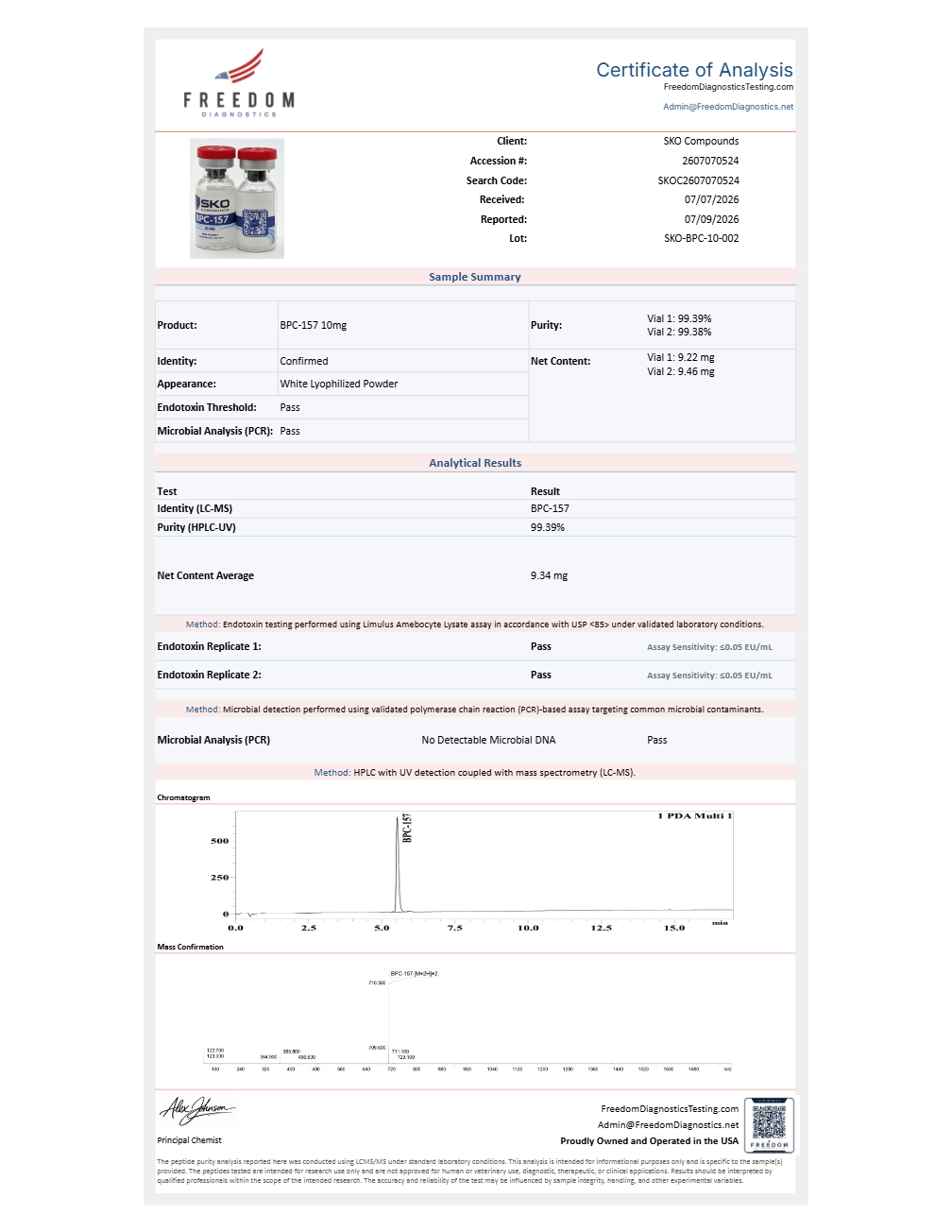
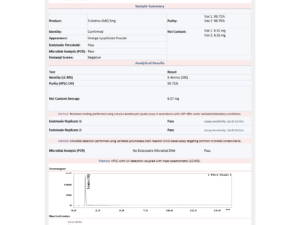
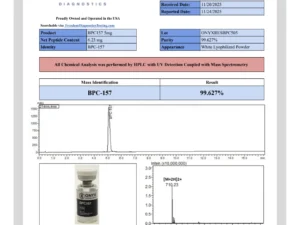
We test every batch independently to ≥99% purity by HPLC, and we confirm identity through third-party mass spectrometry against the theoretical mass of 1419.55 g/mol. In addition, each batch undergoes LAL endotoxin testing and heavy metals screening. We include batch-specific Certificates of Analysis for full research transparency.
| Parameter | Specification |
|---|---|
| CAS Number | 137525-51-0 |
| Molecular Formula | C₆₂H₉₈N₁₆O₂₂ |
| Molecular Weight | 1419.556 g/mol |
| Sequence | Gly-Glu-Pro-Pro-Pro-Gly-Lys-Pro-Ala-Asp-Asp-Ala-Gly-Leu-Val |
| Purity | ≥99% (HPLC) |
| Appearance | White to off-white lyophilized powder |
| Storage | −20°C, protected from light |
| Solubility | Soluble in water and sterile buffers |
Frequently Asked Questions
What is BPC-157 used for in research?
Researchers use BPC-157 in laboratory studies of tendon and ligament healing, muscle regeneration, bone repair, gastrointestinal cytoprotection, wound healing, and angiogenesis. However, it is not approved for human or veterinary use.
How should I store BPC-157?
Store the lyophilized vial at −20°C and protect it from light. After reconstitution, refrigerate the solution and avoid repeated freeze-thaw cycles. For extended storage, aliquot the reconstituted solution to minimize handling.
What purity should I expect?
We test every batch to ≥99% purity by HPLC. We ship a batch-specific Certificate of Analysis with each order, and it covers HPLC purity, mass spectrometry identity, endotoxin levels, and heavy metals screening.
Is BPC-157 the same as the Wolverine Blend?
No. The Wolverine Blend combines BPC-157 with TB-500. In contrast, this product contains BPC-157 as a standalone research peptide.
What is the acetate form of BPC-157?
BPC-157 acetate is the salt form of the peptide, where acetate counterions associate with the peptide. Both free-base and acetate forms are available for research, and the acetate form often demonstrates improved stability in solution.
Important Research Disclaimer
This product is intended strictly for laboratory research use only. It is not for human or veterinary use, and not for diagnostic or therapeutic applications. As of 2026, BPC-157 remains an unapproved investigational peptide with limited human safety data. A 2025 review identified 35 preclinical studies and only one clinical study, and researchers have described human safety data as unknown. Therefore, BPC-157 is prohibited in competitive sport. Qualified researchers should handle all peptides in accordance with institutional safety guidelines and applicable regulations.
Ready to Advance Your Tissue Repair Research?
Buy BPC-157 today and join laboratories worldwide that rely on verified purity, batch-level transparency, and U.S.-made quality.
| Choose mg |
10mg |
|---|
Related products
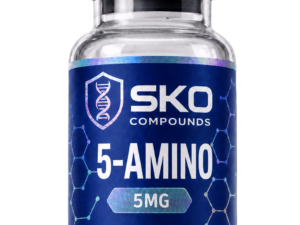
5-Amino-1MQ
$40.00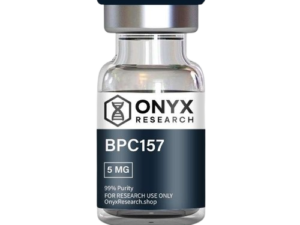
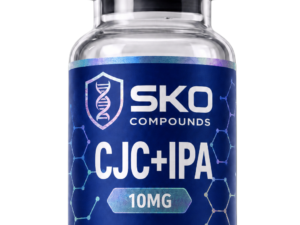
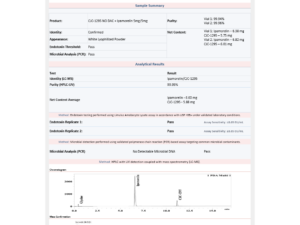
CJC 1295 no dac + Ipamorelin
$79.00

GHK-Cu
Price range: $35.00 through $55.00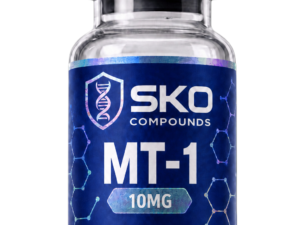
MT-1
$40.00
MT-2
$40.00
Tesamorelin
$104.00

Reviews
There are no reviews yet.