
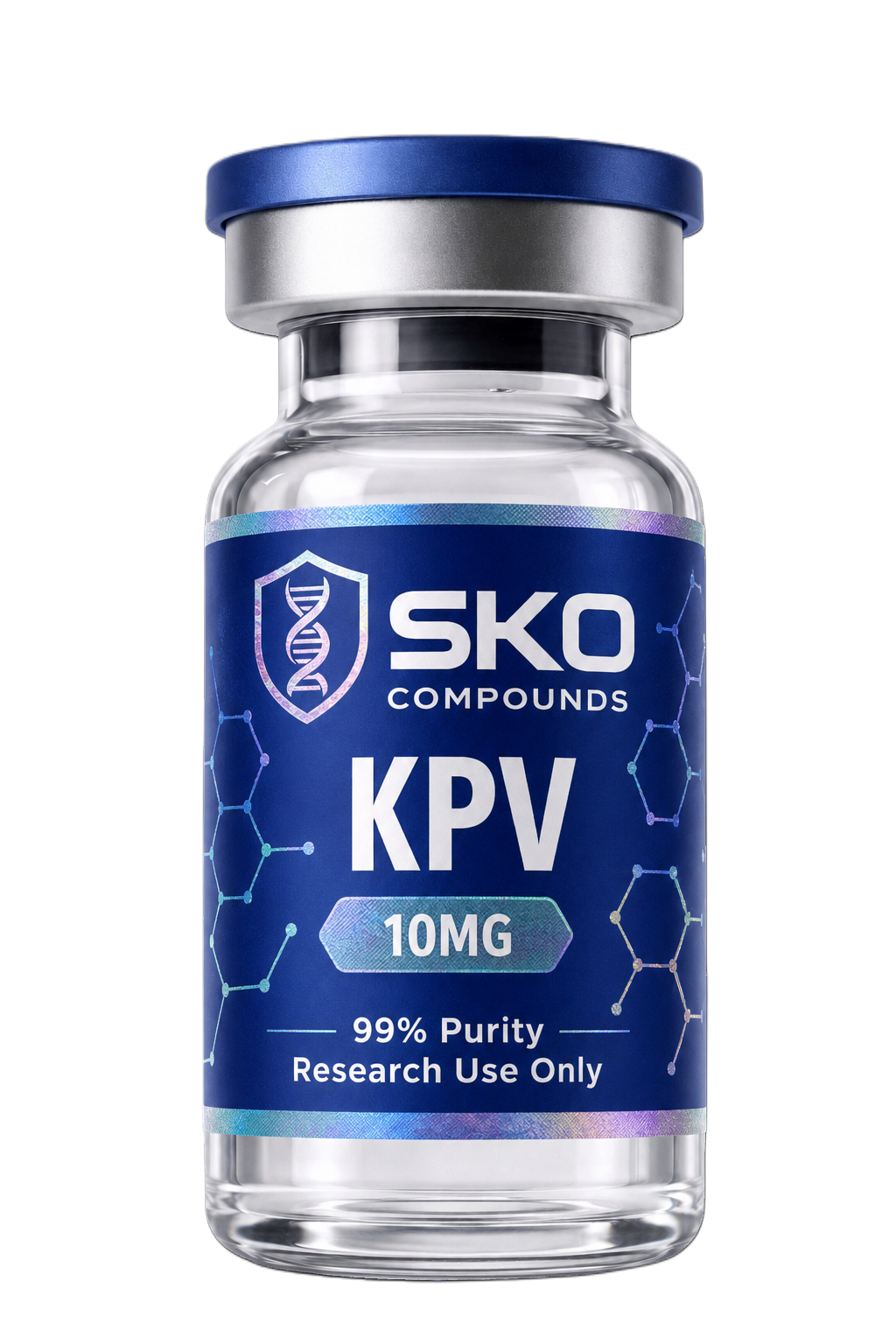
KPV
$50.00
KPV is a naturally occurring tripeptide (lysine-proline-valine) derived from the C-terminal end of alpha-melanocyte-stimulating hormone (α-MSH). Preclinical research focuses on its anti-inflammatory and antioxidant properties, including inhibition of NF-κB signaling and reduction of pro-inflammatory cytokines like TNF-α and IL-6. Studied for wound healing, inflammatory skin conditions, and colitis.
Buy KPV — The Anti-Inflammatory Tripeptide for Skin, Gut, and Metabolic Research
KPV (Lys-Pro-Val) is a naturally occurring tripeptide corresponding to the C-terminal fragment (residues 11–13) of alpha-melanocyte-stimulating hormone (α-MSH). Researchers study it extensively for its anti-inflammatory and antioxidant properties, and it acts independently of melanocortin receptors—meaning it does not trigger the pigmentary effects associated with full-length α-MSH.
What Is KPV?
KPV is a synthetic tripeptide with the sequence Lys-Pro-Val. Scientists originally identified this fragment as the active messaging sequence for the antipyretic and anti-inflammatory activities of α-MSH, and a 1988 patent filed by Zengen, Inc. first described its therapeutic potential. Moreover, its short three-amino-acid structure gives it favorable stability and permeability characteristics compared to larger melanocortin peptides.
How Does KPV Work?
KPV inhibits inflammation through several interconnected pathways that operate independently of melanocortin receptor binding.
NF-κB and MAPK Pathway Inhibition
KPV suppresses the redox-sensitive transcription factor NF-κB, a master regulator of inflammatory gene expression. As a result, it reduces pro-inflammatory cytokines including TNF-α, IL-1β, and IL-6. Additionally, KPV inhibits reactive oxygen species (ROS) production, which in turn blocks activation of extracellular signal-regulated kinase (ERK) and p38 mitogen-activated protein kinase (MAPK). Furthermore, KPV decreases expression of apoptosis-related proteins including Bax, Bcl-2, and cleaved caspase-3.
PepT1 Transporter-Mediated Uptake
KPV enters intestinal and immune cells through the PepT1 transporter, a mechanism that concentrates the peptide at sites of gut inflammation. Consequently, researchers observe anti-inflammatory activity at low concentrations in intestinal epithelial models.
IL-1β Function Inhibition
Unlike core α-MSH peptides that signal through melanocortin receptors and elevate cAMP, KPV appears to act primarily through inhibition of IL-1β functions. Therefore, its anti-inflammatory profile is mechanistically distinct from other melanocortin-derived peptides.
Key Research Applications
Researchers study KPV across a broad range of preclinical inflammation and metabolic models.
-
Skin inflammation and keratinocyte protection (fine dust-induced apoptosis, 3D skin models)
-
Inflammatory bowel disease and colitis-associated cancer research
-
Hepatic lipid accumulation and steatosis investigations
-
Adipogenesis and lipid metabolism studies (ROS-mediated AKT/mTORC1/PPARγ signaling)
-
Cytokine regulation and NF-κB pathway research
-
Antioxidant and oxidative stress response models
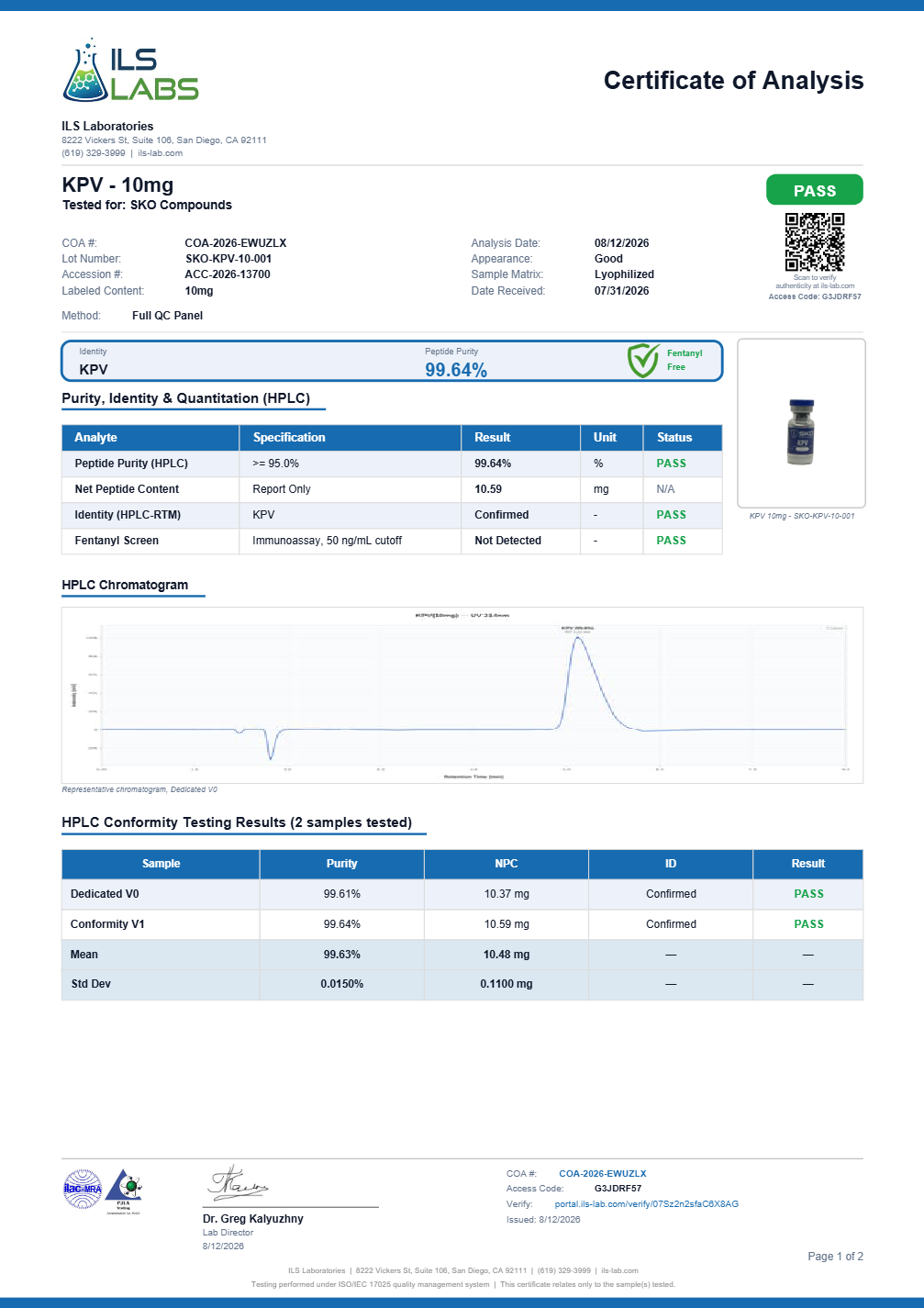
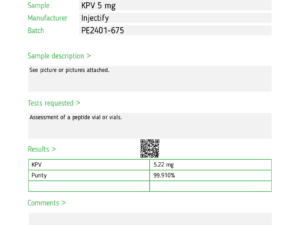
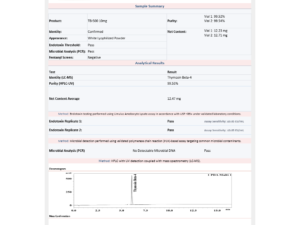
When you Buy KPV from our catalog, you receive a high-purity lyophilized research peptide available in 10mg and 15mg vial configurations. We test every batch independently to ≥99% purity by HPLC, and we confirm identity through third-party mass spectrometry against the theoretical mass of 342.43 g/mol. In addition, each batch undergoes LAL endotoxin testing, heavy metals screening, and microbial limit testing. We include batch-specific Certificates of Analysis for full research transparency.
| Parameter | Specification |
|---|---|
| CAS Number | 67727-97-3 |
| Molecular Formula | C₁₆H₃₀N₄O₄ |
| Molecular Weight | 342.43 g/mol |
| Sequence | Lys-Pro-Val |
| Purity | ≥99% (HPLC) |
| Appearance | White to off-white lyophilized powder |
| Storage | −20°C, desiccated, protected from light |
| Solubility | Soluble in sterile water (≥1 mg/mL) |
Frequently Asked Questions
What is KPV used for in research?
Researchers use KPV in laboratory studies of skin inflammation, inflammatory bowel disease, hepatic steatosis, adipogenesis, and cytokine regulation. However, it is not approved by the FDA for any medical use.
How should I store KPV?
Store the lyophilized vial at −20°C in a desiccated environment and protect it from light. After reconstitution, refrigerate the solution at 2–8°C and avoid repeated freeze-thaw cycles.
What purity should I expect?
We test every batch to ≥99% purity by HPLC. We ship a batch-specific Certificate of Analysis with each order, and it covers HPLC purity, mass spectrometry identity, endotoxin levels, and heavy metals screening.
Does KPV cause skin darkening?
No. Whereas full-length α-MSH stimulates melanogenesis through MC1R activation, KPV acts independently of melanocortin receptors and does not induce pigmentary changes.
Important Research Disclaimer
This product is intended strictly for laboratory research use only. It is not for human or veterinary use, and not for diagnostic or therapeutic applications. As of 2026, KPV remains an unapproved investigational peptide with no FDA-approved indication. Current evidence is based largely on cell and animal research rather than robust human clinical trials. Therefore, no one outside an institutional research setting should handle or use KPV. Qualified researchers should handle all peptides in accordance with institutional safety guidelines and applicable regulations.
Ready to Advance Your Anti-Inflammatory Research?
Buy KPV today and join laboratories worldwide that rely on verified purity, batch-level transparency, and U.S.-made quality.
| Choose mg |
10mg |
|---|
Related products

Bacteriostatic Water
Price range: $10.00 through $29.00
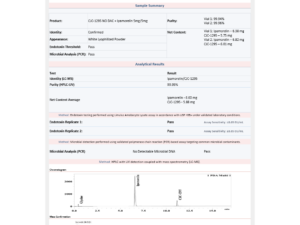
CJC 1295 no dac + Ipamorelin
$79.00

GHK-Cu
Price range: $35.00 through $55.00
GLOW
$110.00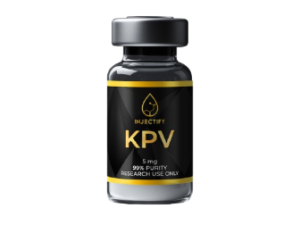
Metabolic Reference Bundle
$260.00
Semax
$50.00

Reviews
There are no reviews yet.