
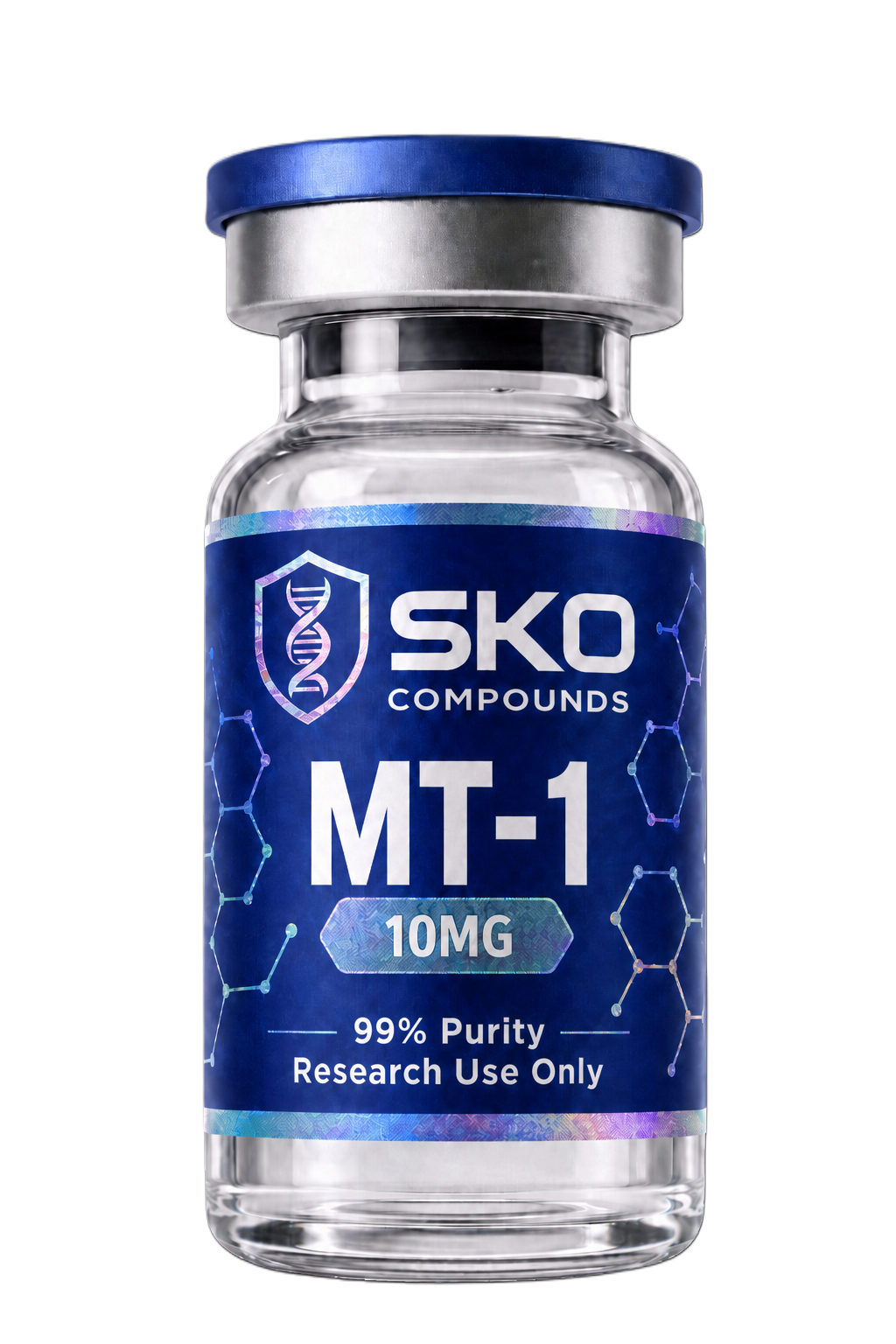
MT-1
$40.00
MT-1 (Melanotan I), also known as afamelanotide (brand: Scenesse), is a synthetic 13-amino-acid analog of alpha-melanocyte-stimulating hormone (α-MSH). It acts as a potent melanocortin receptor agonist, selectively binding MC1R on melanocytes to stimulate eumelanin production and photoprotection.
Buy MT-1 (Melanotan I) — The Selective MC1R Agonist for Pigmentation and Photoprotection Research
MT-1 (Melanotan I), also known as afamelanotide, is a synthetic 13-amino-acid linear analog of alpha-melanocyte-stimulating hormone (α-MSH). Researchers study it extensively for its selective agonist activity at the melanocortin 1 receptor (MC1R). Consequently, it has become the gold-standard reference compound for melanogenesis and photoprotection research.
What Is MT-1?
MT-1 is a linear tridecapeptide with the sequence Ac-Ser-Tyr-Ser-Nle-Glu-His-D-Phe-Arg-Trp-Gly-Lys-Pro-Val-NH₂. Scientists originally developed it at the University of Arizona in the 1980s through systematic structural modification of native α-MSH. Moreover, two key substitutions drive its research utility: norleucine replaces methionine at position 4, and D-phenylalanine replaces L-phenylalanine at position 7. These modifications confer resistance to enzymatic degradation and extend biological activity approximately 26-fold compared to the natural hormone.
Unlike MT-2, which acts non-selectively across multiple melanocortin receptors, MT-1 binds with high selectivity to MC1R. Therefore, it does not trigger the appetite suppression, sexual function modulation, or cardiovascular effects associated with MC3R and MC4R activation.
How Does MT-1 Work?
MT-1 stimulates melanogenesis through a well-characterized MC1R signaling cascade that operates exclusively in melanocytes.
MC1R-Mediated cAMP-PKA Signaling
MT-1 binds MC1R on the surface of melanocytes with an EC₅₀ of approximately 0.5 nM. Upon binding, it activates adenylyl cyclase, which elevates intracellular cAMP levels and activates protein kinase A (PKA). This leads to CREB phosphorylation and subsequent transcription of the microphthalmia-associated transcription factor (MITF) gene. As a result, MITF drives expression of tyrosinase, TRP-1, and TRP-2 — the core enzymes of melanin biosynthesis.
Eumelanin Synthesis and Photoprotection
The downstream effect of this cascade is increased production of eumelanin, the darker, more photoprotective form of melanin. Furthermore, eumelanin absorbs UV radiation and scavenges reactive oxygen species, reducing UV-induced DNA damage in keratinocytes and melanocytes. Additionally, MT-1 appears to exert protective effects through mechanisms beyond melanization alone, which researchers continue to investigate.
Key Research Applications
Researchers study MT-1 across a broad range of preclinical and clinical photoprotection models.
-
Erythropoietic protoporphyria (EPP) phototoxicity prevention
-
Melanogenesis and MC1R signaling pathway investigations
-
Vitiligo repigmentation in combination with narrowband UV-B phototherapy
-
UV-induced DNA damage and photocarcinogenesis research
-
Polymorphic light eruption and solar urticaria models
-
Skin cancer chemoprevention studies
Clinical research demonstrates that MT-1 significantly prolongs pain-free sun exposure and reduces phototoxic reaction frequency in EPP patients. In a 2023 Austrian real-world cohort, phototoxic burn tolerance time increased from a median of 15 minutes at baseline to 250 minutes under therapy, and the proportion of patients experiencing phototoxic reactions dropped from 88% to 33%.
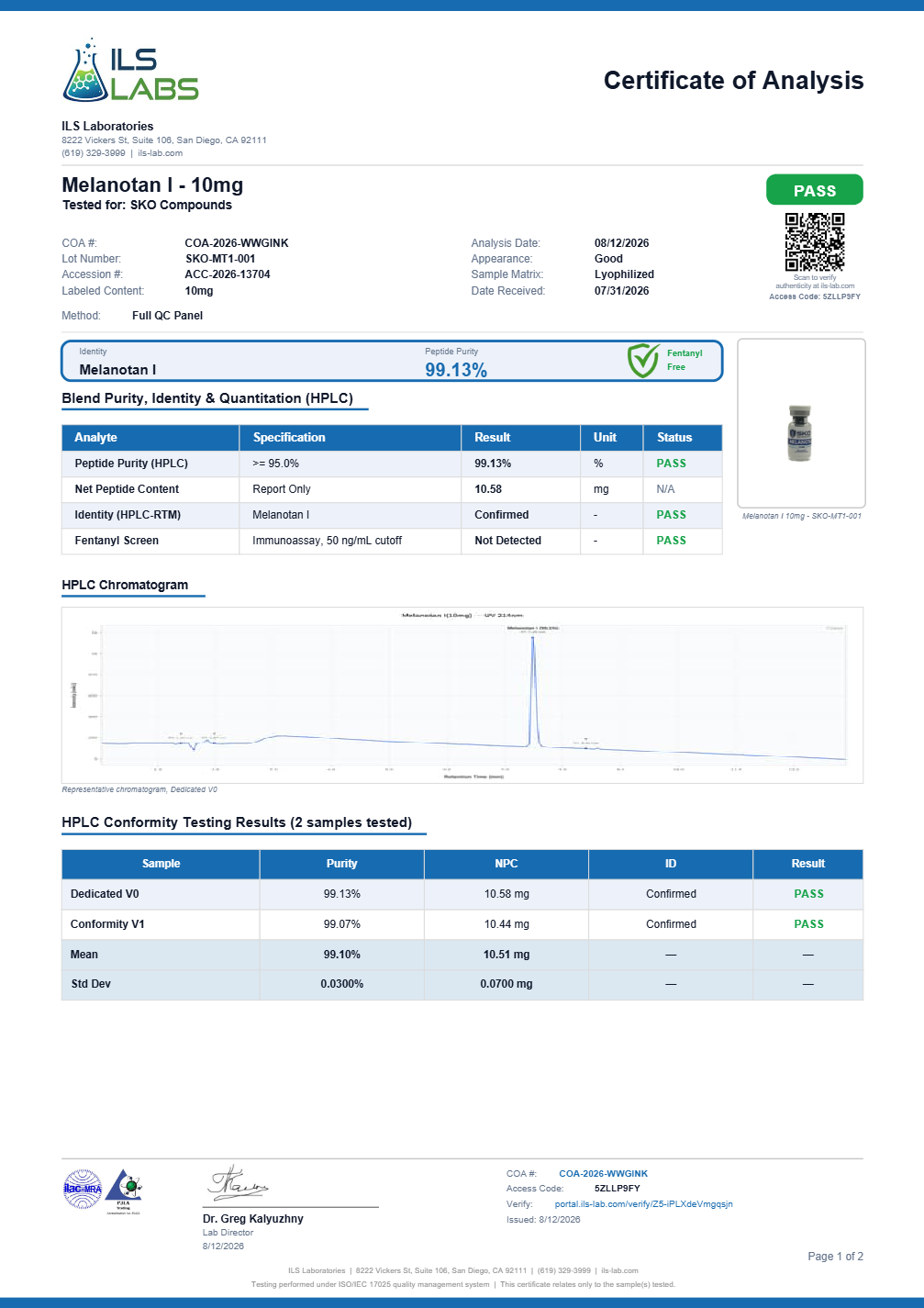
When you Buy MT-1 from our catalog, you receive a high-purity lyophilized research peptide available in 10mg and 20mg vial configurations. We test every batch independently to ≥99% purity by HPLC, and we confirm identity through third-party mass spectrometry against the theoretical mass of 1646.85 g/mol. In addition, each batch undergoes LAL endotoxin testing, heavy metals screening, and microbial limit testing. We include batch-specific Certificates of Analysis for full research transparency.
| Parameter | Specification |
|---|---|
| CAS Number | 75921-69-6 |
| Molecular Formula | C₇₈H₁₁₁N₂₁O₁₉ |
| Molecular Weight | 1646.85 g/mol |
| Sequence | Ac-Ser-Tyr-Ser-Nle-Glu-His-D-Phe-Arg-Trp-Gly-Lys-Pro-Val-NH₂ |
| Purity | ≥99% (HPLC) |
| Appearance | White to off-white lyophilized powder |
| Storage | −20°C, desiccated, protected from light |
| Solubility | Soluble in sterile water |
Frequently Asked Questions
What is MT-1 used for in research?
Researchers use MT-1 in laboratory studies of melanogenesis, photoprotection, erythropoietic protoporphyria, vitiligo repigmentation, and UV-induced DNA damage. However, it is not approved for general tanning or cosmetic use.
How should I store MT-1?
Store the lyophilized vial at −20°C in a desiccated environment and protect it from light. After reconstitution, refrigerate the solution at 2–8°C and avoid repeated freeze-thaw cycles.
What purity should I expect?
We test every batch to ≥99% purity by HPLC. We ship a batch-specific Certificate of Analysis with each order, and it covers HPLC purity, mass spectrometry identity, endotoxin levels, and heavy metals screening.
What is the difference between MT-1 and MT-2?
MT-1 is a linear 13-amino-acid peptide that binds selectively to MC1R, primarily affecting pigmentation. MT-2 is a cyclic 7-amino-acid peptide that acts non-selectively at MC1R, MC3R, MC4R, and MC5R, which produces additional effects on appetite and sexual function. Whereas MT-2 carries a broader side-effect profile, MT-1 offers greater receptor specificity.
Is MT-1 the same as afamelanotide?
Yes. MT-1 and afamelanotide are the same compound. Afamelanotide is the international nonproprietary name (INN), while Melanotan I is the research and colloquial designation. The acetate salt form carries CAS number 1566590-77-9.
Important Research Disclaimer
This product is intended strictly for laboratory research use only. It is not for human or veterinary use, and not for diagnostic or therapeutic applications. As of 2026, MT-1 (afamelanotide) is approved in the European Union and the United States under the brand name SCENESSE for the treatment of erythropoietic protoporphyria in adult patients, but it remains unapproved for general tanning or cosmetic indications. Unregulated use of melanotan products carries documented risks, including eruptive dysplastic nevi, melanoma in situ, and injection-related infections. Therefore, no one outside an institutional research setting should handle or use MT-1. Qualified researchers should handle all peptides in accordance with institutional safety guidelines and applicable regulations.
Ready to Advance Your Melanocortin Research?
Buy MT-1 today and join laboratories worldwide that rely on verified purity, batch-level transparency, and U.S.-made quality.
| Choose mg |
10mg |
|---|
Related products
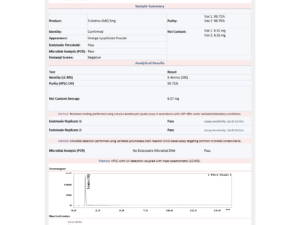
5-Amino-1MQ
$40.00
Bacteriostatic Water
Price range: $10.00 through $29.00
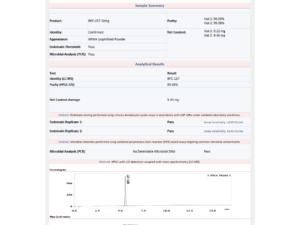
BPC-157
$50.00

GHK-Cu
Price range: $35.00 through $55.00
Metabolic Reference Bundle
$260.00
Semax
$50.00
TB-500
$40.00

Reviews
There are no reviews yet.